June 01, 2026

In public health, the most sustainable change happens when communities lead the conversation. True health equity is built alongside those it serves, through transparent partnerships, shared decision-making and investments that reflect real community needs.
The Community Health Promotion Division (CHPD) is a champion of community investment and health equity at Denver Health. Guided by our mission to make sustainable changes that lead to optimal health by investing in communities, the CHPD team brings expertise to applying anti-racist practices, addressing health inequities and deploying best practices of community engagement to all of our programs and partnerships.
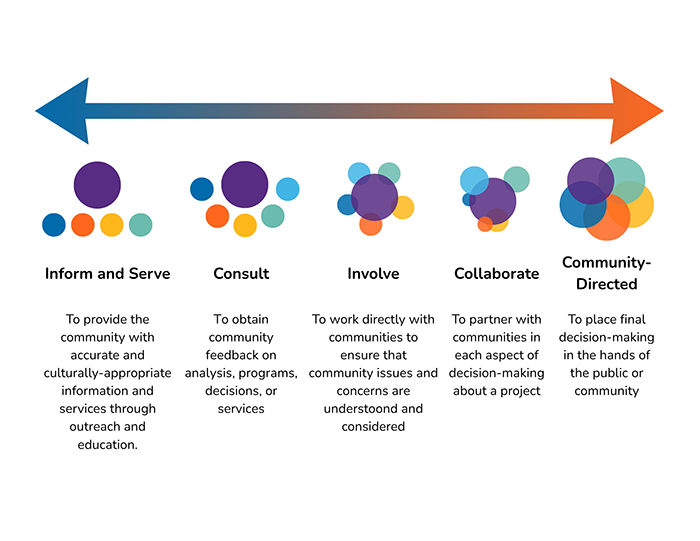
Community engagement practices steer all of our work and represent a critical tool for promoting equity and helping Denver Health in its efforts to be a collaborative and transparent partner. CHPD uplifts practices to increase community involvement and facilitate work that is community-directed.
The Community Engagement Spectrum
Impact and reach
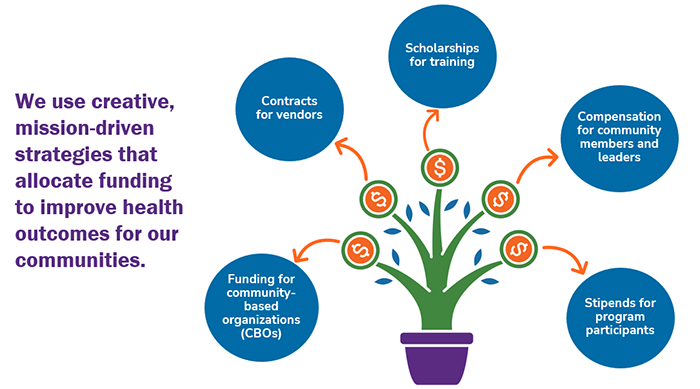
CHPD drives innovations in patient experience and community health by working directly with patients and community members to develop, implement and evaluate interventions that address health and racial inequities within Denver Health’s patient population, the broader Denver community and Colorado. We allocate funding to improve health outcomes for our communities within Behavioral Health, Food Security, HPV Immunizations, Maternal Child Health, Nutrition, Oral Health, Substance Use Prevention, Violence Prevention and Youth Health Initiatives.
Serving patients and communities
Alliance for HPV Free Colorado: A collaborative focused on increasing HPV vaccination rates among 9–17-year-olds that leads the creation of community training and resources to prevent cancer.
Colorado Oral Health Coalition: Brings together more than 40 diverse partners with a collaborative, equity-centered governance structure that promotes transparent decision-making, majority community voice and inclusive participation.
Engaging Youth Expertise (EYE) for Prevention: Facilitates a group of 20 dynamic youth leaders who create and facilitate trainings “by youth, for youth” to address mental health and substance use through a holistic, trauma-informed lens.
Family Connects: An evidence-based postpartum nurse home-visiting program proven to improve health outcomes for families by addressing health needs and connecting families with community resources, serving nearly 400 families and making more than 650 resource referrals in 2025.
Healthy Beverage Partnership: A partnership of seven local public health agencies across Colorado facilitated by PHIDH, that works to reduce the prevalence of chronic disease by supporting municipal level polices that aim to reduce the consumption of sugary drinks.
Serve Kids Better Denver: A local coalition focused on addressing health inequities and reducing chronic disease by creating a culture that rejects targeted marketing and excessive availability of sugary drinks in Denver’s food system through policy.
Same Day Nutrition: A partnership placing WIC Educators in clinic sites since 2021, enrolling more than 7,100 patients into nutrition assistance and supporting 12,000+ families through care coordination.
Youth Vaping Prevention: A trauma-informed initiative engaging 150 youth and 88 providers to redesign cessation support and close system-level treatment gaps.
Youth Pride Coalition: A coalition of LGBTQIA+ youth ages 12-24 and community members leading promotion of protective factors for youth substance use and mental health.
Zero Suicide: A Denver Health Steering Council that increases awareness among employees, advances integration within outpatient settings and centers the voice of individuals with lived experience.
Partner with us
We believe we are better together and are always looking to build and strengthen partnerships. With 14 core capabilities, CHPD offers a wide selection of skills and expertise.
| 1. Advocacy and policy development 2. Best practice dissemination and implementation 3. Capacity building and assistance 4. Clinical systems change 5. Collaborate with partners 6. Community and youth engagement 7. Convene stakeholders to action | 8. Evaluation with community 9. Grant writing 10. Information and knowledge mobilization 11. Leadership and elevating community voice 12. Program and project management 13. Public health innovation 14. Supporting shared training and education |
Reach out to us at PHIDHpartnerships@dhha.org to discuss collaboration opportunities. to discuss collaboration opportunities.