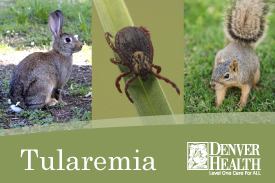
 What is Tularemia?
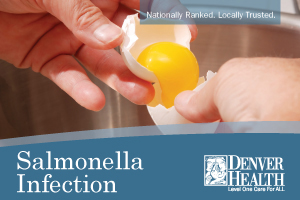 What is Salmonella?
People most often get a Salmonella infection by eating foods contaminated with animal feces. It is important to remember that contaminated foods can look and smell normal. Any food, including vegetables, may be contaminated, but foods that are most commonly contaminated with Salmonella are:
- Beef
- Poultry
- Milk
- Eggs
Salmonella may also be found in the feces of animals including:
- Pets and livestock
- Chicks and young birds, pet birds such as parakeets
- Reptiles such as turtles, lizards and snakes
- Rodents such as mice, hamsters and guinea pigs
- Salmonella can also be found in some pet foods and pet treats.
- Salmonella germs can be spread by an infected person who did not wash their hands with soap after using the bathroom.
- Salmonella can also be spread from person-to-person in places like childcare facilities, residential living facilities such as nursing homes or group homes, and through certain types fo seual contact (e.g., oral-anal contact).
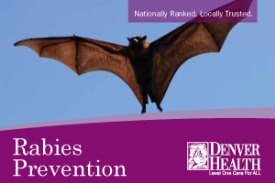 What is Rabies?
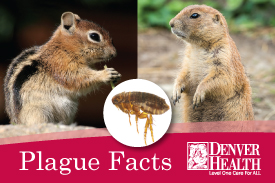 What is Plague?
 What is Norovirus?
 What is Middle East Respiratory Syndrome Coronavirus (MERS-CoV)?
 What is Hantavirus?
 What is hand, foot and mouth disease?
Enterovirus D68 virus is a respiratory virus that is part of a family of related virus strains called enteroviruses. It can cause mild to severe respiratory illness, particularly in children. Download an enterovirus fact sheet.
Ebola virus disease (Ebola), first discovered in 1976, is a severe infectious disease that causes organ failure and death in humans. Outbreaks have occurred in parts of central and west Africa, near tropical rainforests. Download an Ebola information sheet.